The 5 Best Dark Roast Coffee Beans for Espresso and Drip
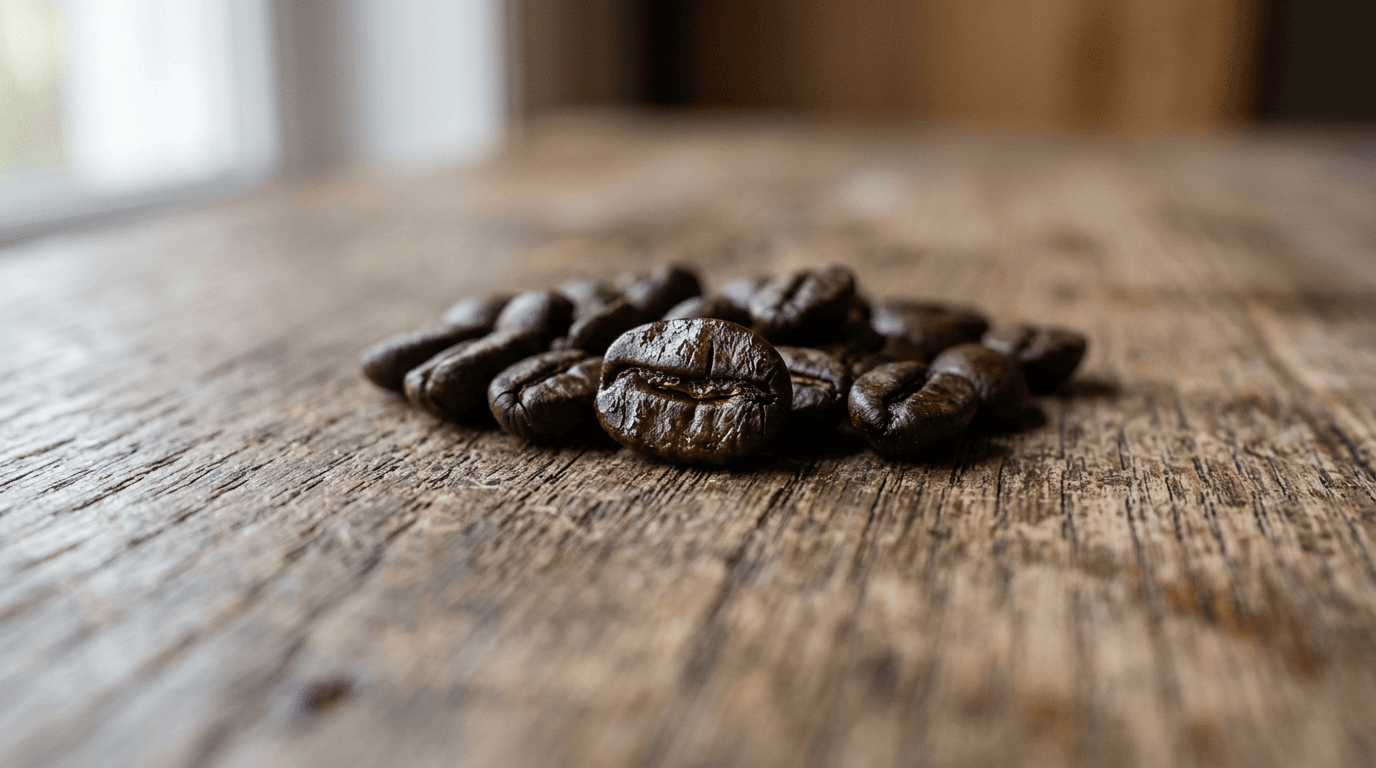
The persistent misconception about the roasting process is that taking beans past the second crack erases their geographic identity, reducing every batch to an identical, ashy bitterness. This completely overlooks the actual chemistry of caramelization. When you push a dense, high-altitude bean deeper into the thermal cycle, you are trading bright fruit acids for heavy body and complex sugars. Identifying the best dark roast coffee requires finding roasters who manipulate this exact thermal trade-off, halting the application of heat just as the natural oils breach the surface but before the cellulose structure breaks down into pure carbon. This structural shift is what dictates how the coffee behaves under the pressure of an extraction cycle or the prolonged saturation of a steep.
Quick Summary
Properly executed dark roasts emphasize heavy chocolate, nut, and spice notes while minimizing perceived acidity through prolonged heat exposure. Sourcing models dictate the freshness and consistency of the final product.
- Origin combinations establish the baseline flavor profile before the thermal cycle even begins.
- Distribution timelines impact degassing rates more than the specific geographic origin.
- Agricultural processing methods dramatically alter the structural body of the final extraction.
- Low-acid profiles are typically predetermined by regional soil chemistry rather than the roasting curve alone.
Table of Contents
- Comparison Table
- How to Choose Your Sourcing Model
- 1. Peet's Coffee Major Dickason's Blend
- 2. Kicking Horse Coffee Grizzly Claw
- 3. Koffee Kult Midnight Velvet
- 4. Coffee Bros. Dark Roast Coffee
- 5. Volcanica Coffee Sumatra Mandheling
- Matching the Model to Your Routine
- Recommended Reads
Comparison Table
| Product | Production Scale and Sourcing | Features | Pros | Cons | Target Audience |
|---|---|---|---|---|---|
| Peet's Coffee Major Dickason's Blend | Commercial Heritage | High-volume drum roast, multi-continent blend | Highly consistent year-round, cuts through heavy cream, widely accessible baseline | Limited roast date transparency, regional shipping limits for bulk bags, lacks single-origin nuance | Drinkers seeking an unvarying daily baseline |
| Kicking Horse Coffee Grizzly Claw | Certified Organic Niche | Fairtrade, organic certified, tailored thermal expansion | Rigorous supply chain ethics, rich chocolate profile, optimal for espresso crema | Singular flavor profile lacks earthiness, subscription lock-in for best pricing, overwhelms delicate pour-overs | Espresso machine users demanding ethical sourcing |
| Koffee Kult Midnight Velvet | Small-Batch Artisanal | Same-day dispatch, complex blend origins | Maximum degassing activity, tight logistical turnaround, highly aromatic bloom | Demands immediate consumption, premium pricing structure, degrades quickly if stored loose | Brewers relying on immediate aroma release |
| Coffee Bros. Dark Roast Coffee | Small-Batch Artisanal | Bi-weekly schedule, dual processing methods | Layers clean washed flavors with natural body, transparent roast dates, heavy mouthfeel | Rigid ordering windows, no same-day dispatch outside schedule, logistical friction for sudden restocks | Planners who want combined processing profiles |
| Volcanica Coffee Sumatra Mandheling | Volcanic Single-Origin | Highly mineralized volcanic soil, decaffeinated option available | Naturally reduced acidity, distinct cedar and spice notes, unblended regional purity | Polarizing earthy flavor, poorly suited for milk-based lattes, avoids bright fruit acids | Immersion brewers requiring low-acid profiles |
How to Choose Your Sourcing Model
Evaluating roasted beans requires understanding the supply chain that moves them from the cooling tray to your grinder. We classify these operations along the axis of Production Scale and Sourcing. This framework determines how the manufacturer handles batch consistency, inventory management, and the inevitable degradation of aromatic compounds over time.
The Commercial Heritage category relies on massive industrial drum roasters. By combining vast quantities of beans from different continents, these operations neutralize the wild regional variations caused by seasonal weather changes. The result is a profile that tastes exactly the same in December as it does in July. This approach requires heavy nitrogen flushing during packaging to preserve the grounds during extended warehouse storage.
The Certified Organic Niche restricts its sourcing exclusively to farms that pass rigorous environmental and labor audits. These agricultural constraints often mean the beans possess a different cellular density than conventionally grown crops, requiring highly calibrated roasting software to prevent scorching. They prioritize supply chain transparency over raw volume.
The Small-Batch Artisanal category operates on speed and transparency. These facilities rarely hold roasted inventory; instead, they sync their heating cycles directly to incoming orders. The logistical tightrope here involves shipping the beans exactly as they begin to off-gas carbon dioxide, ensuring the consumer receives the package during the peak brewing window. You can expect profound differences in these small operations when compared to standard Blends that sit on grocery shelves.
The Volcanic Single-Origin category abandons blending entirely. Instead of masking a bean's flaws with beans from another continent, this model isolates a single micro-region. The agricultural output is entirely dependent on the specific mineral content of the local soil, meaning the flavor profile will shift dynamically from harvest to harvest.
Practical rule: Match the operational scale to your consumption rate; a micro-lot roast loses its chemical volatility far faster in an unsealed bag than a commercial blend protected by industrial packaging.
1. Peet's Coffee Major Dickason's Blend
A standard 1 lb (16 oz) bag of Major Dickason's Blend retails for $21.95 on the official Peet's online shop, establishing a commercial baseline for high-volume roasting logistics. This is a heavy-bodied blend of Latin American and Indo-Pacific beans engineered for an unvarying daily consumption routine, anchoring our Commercial Heritage category.
The operation relies on high-heat, high-capacity drum roasting. This method standardizes flavor development across massive daily batches. By blending dense beans from multiple continents, the facility actively neutralizes unpredictable regional agricultural variations. This ensures the batch tastes identical year-round. Brewing recommendations include a French press. Use 50g of coffee to 32oz of 202°F water. A 4 to 5-minute steep time fully extracts the heavy body.
Scaling consistency overrides micro-lot nuance
The sheer scale of this production imposes an unavoidable structural limit on distribution logistics. The 2 lb bag format of this product is restricted for delivery specifically to the Western region of the United States on Costco's website. If we are optimizing a setup for peak week-of-roast vibrancy, we would skip this volume-driven approach in favor of a nimble, made-to-order operation or testing our own Sample Packs to identify tighter roasting dates. It carries a published rating of 4.7 out of 5 stars based on 4,242 customer reviews, largely due to this unyielding reliability.
Opt for this commercial standard when your primary requirement is a highly reliable baseline that will cut through heavy cream without complaint.
Pros
- Delivers identical flavor profiles across different seasonal harvests
- Heavy body holds up exceptionally well under prolonged immersion steeping
- Widely accessible pricing model for daily volume consumption
Cons
- Industrial distribution networks obscure precise roast-date transparency
- Geographic restrictions apply to purchasing the high-volume bulk formats
- Aggressive blending neutralizes unique single-origin geographic characteristics
2. Kicking Horse Coffee Grizzly Claw
A sudden requirement to align your morning espresso habit with rigorous ethical supply chains usually sends buyers looking for certified alternatives that refuse to sacrifice crema. This is an organic and Fairtrade certified dark roast coffee featuring rich dark chocolate and roasted hazelnut notes, occupying our Certified Organic Niche category.

The raw beans undergo a controlled thermal expansion process that deliberately pushes internal sugars to the surface without scorching the delicate organic cellular structure. Because organic farming standards restrict synthetic fertilizers, the raw beans carry a distinct moisture content. This specific roasting curve maximizes solubility, generating exceptional dark roast espresso beans that perform reliably when subjected to nine bars of mechanical pressure.
Supply chain transparency meets thermal intensity
A one-time purchase of a bag of Grizzly Claw is priced at $16.99. The brand's subscription program offers a 10% discount. This lowers the bag price to $15.30. The brand also provides free shipping within the United States for orders totaling $75 or more. Its unyielding commitment to a singular flavor profile restricts its audience. If you prefer the subtle earthiness of a purely Asian-Pacific crop, this aggressive chocolate focus will overwhelm your palate. I would hold off if deploying this in a purely manual pour-over setup. Heavy chocolate notes tend to muddy the paper filter. This stalls the drawdown.
Subscribe to this option if you operate an automatic espresso machine and demand verified labor certifications alongside heavy flavor extraction.
Pros
- Guaranteed compliance with strict organic and Fairtrade agricultural standards
- Thermal expansion curve explicitly optimized for high-pressure extraction
- Subscription models reduce the baseline cost for recurring inventory
Cons
- Singular chocolate focus lacks the complex earthiness found in pure island crops
- Fines generated during grinding easily clog delicate manual filter setups
- Requires high bulk order thresholds to qualify for complimentary logistics
3. Koffee Kult Midnight Velvet
Stale inventory clogging your burrs and producing thin, highly acidic shots is the exact bottleneck this rapid-dispatch operation removes from the brewing sequence. This is a signature dark roast coffee beans blend made with crops sourced from Colombia, Guatemala, Sumatra, and Brazil, representing the Small-Batch Artisanal category.
Rather than warehousing roasted inventory for retail distribution, the coffee is roasted to order and ships on the same business day for orders placed before 12:00 PM EST. This aggressively tight turnaround preserves the highly volatile aromatic compounds that invariably dissipate during extended warehouse transit. The resulting beans release a powerful off-gassing reaction when blooming under hot water, delivering a complex profile featuring notes of cinnamon, caramel, chocolate, and roasted nut.
Logistical speed dictates the aroma release
The pricing structure directly reflects the cost of localized, immediate fulfillment; pricing options for Midnight Velvet start at $6.00, while a small 12oz bag of whole bean coffee is priced at $25.00. The constraint of this rapid-dispatch model is that it demands immediate consumption to justify the premium. If we were stocking an office pantry for an entire month, we would hesitate to deploy a small-batch artisan bean that degrades noticeably after week two, perhaps pointing toward a heavy, stable African Espresso style volume approach instead.
Select this rapid-roast option if your manual brewing ritual requires maximum degassing activity and you invariably consume your supply within a fortnight.
Pros
- Same-day dispatch eliminates the degradation of volatile aromatic compounds
- Multi-region blending creates highly complex cinnamon and caramel notes
- Intense off-gassing reaction improves extraction in manual pour-over setups
Cons
- Rapid dispatch pricing introduces a premium over standard commercial inventory
- Compounds degrade rapidly if the bag is left unsealed for multiple weeks
- Cutoff times rigidly dictate the fulfillment of sudden inventory shortages
4. Coffee Bros. Dark Roast Coffee
Unlike heritage brands that roast daily by the ton to stock regional grocery networks, this focused operation centralizes its thermal processing into strictly controlled weekly windows. This dark roast arabica coffee is engineered around a carefully balanced blend using 100% premium Arabica coffee beans.

The facility fits firmly within the Small-Batch Artisanal category. The company operates on a roasting schedule of twice a week, specifically on Tuesdays and Saturdays. By deliberately combining natural and washed process coffees sourced from Brazil and Sumatra, they layer the clean, bright extraction of a washed bean over the heavy, syrupy body of a natural process. This dual-processing mechanism ensures the traditional taste notes including dark chocolate and hazelnut emerge cleanly without the ashiness of over-extraction. Every bag features its specific roast date printed directly on the bottom.
Processing contrasts build the structural body
The rigid production cadence creates an unavoidable logistical ceiling for the consumer. You cannot simply submit an order on a Wednesday afternoon and expect an immediate, same-day dispatch if you miss the specific roasting cutoff. We find this scheduling friction problematic if your coffee supply abruptly runs out mid-week, forcing you to wait nearly a week for newly roasted inventory to enter the transit network.
Plan your orders around this artisan schedule when you want the heavy mouthfeel of natural processing seamlessly integrated with the crisp finish of washed Arabica.
Pros
- Transparent date stamping provides absolute certainty regarding batch freshness
- Dual processing methods create a unique structural body during extraction
- Eliminates the burnt, ashy aftertaste common in commercial Arabica roasts
Cons
- Rigid Tuesday and Saturday production windows delay mid-week order fulfillment
- Lack of daily roasting prevents immediate turnaround for unexpected shortages
- Natural processing methods occasionally introduce unpredictable fermentation notes
5. Volcanica Coffee Sumatra Mandheling
The most common error when evaluating Indonesian exports is assuming all regional beans offer the exact same intense mouthfeel regardless of the surrounding agricultural conditions. This is a dark roast sumatra coffee sourced exclusively from specific geographic elevations, anchoring our Volcanic Single-Origin category.
Grown exclusively in highly mineralized volcanic soil, this crop develops distinct physical characteristics before the heat is even applied. The coffee is classified as a low-acid selection due to naturally reduced acidity levels inherent to the local growing environment. The thermal phase then amplifies its physical flavor profile, which includes dark chocolate, cedar, and spice notes, completely refusing to rely on outside blending to manufacture complexity.
Soil chemistry predetermines the acidity ceiling
The absolute commitment to a single geographical profile intentionally alienates drinkers who prefer the bright, floral acidity of Ethiopian or Kenyan crops. The practical limit of this sourcing approach is its polarizing earthiness; heavy cedar and spice compounds do not translate well into delicate, high-volume milk beverages. We would avoid using this deeply earthy bean for a light morning latte, reserving it instead for drinkers who require Single Origin purity and consume their extractions black.
Commit to this low-acid profile if your stomach consistently rejects standard commercial blends and you brew exclusively with long-steep immersion hardware.
Pros
- Volcanic soil naturally limits the development of harsh perceived acidity
- Pure geographic isolation highlights heavy cedar and spice characteristics
- The brand provides a decaffeinated alternative of this specific dark roast
Cons
- Polarizing earthy profile clashes violently with delicate milk texturing
- Entirely lacks the bright fruit notes found in higher-altitude African crops
- Yield variations from a single region impact flavor consistency year over year
Matching the Model to Your Routine
The hardware sitting on your counter dictates which sourcing model actually survives the extraction process.
Deploy Commercial Heritage options when your household consumes high volumes daily. The multi-continent blending ensures that a French press or standard drip machine yields the exact same heavy body every morning, regardless of seasonal harvest fluctuations.
Shift to the Certified Organic Niche if your extraction relies on an automatic espresso machine. The controlled thermal expansion optimized for these certified crops produces highly stable crema while meeting strict ethical supply chain requirements.
Practical rule: Never buy Small-Batch Artisanal inventory in bulk unless you possess vacuum-sealed storage canisters; the rapid off-gassing that makes them brilliant on day four renders them entirely stale by day twenty.
Rely on the Small-Batch Artisanal category when you utilize manual pour-over hardware. The intense degassing phase from fresh, twice-weekly roasts creates the necessary bloom required to agitate the bed and ensure an even extraction of delicate compounds.
Invest in Volcanic Single-Origin profiles when acidity is the primary bottleneck for your daily consumption. The naturally low-acid chemistry of these soils allows immersion brewers to execute prolonged steeps without extracting bitter, astringent acids. Taking the time to evaluate All Coffee methods against these sourcing realities prevents purchasing a delicate artisan roast for a machine designed to violently extract commercial blends.