The 4 Best Burr Coffee Grinder Models for Home Brewing in 2026
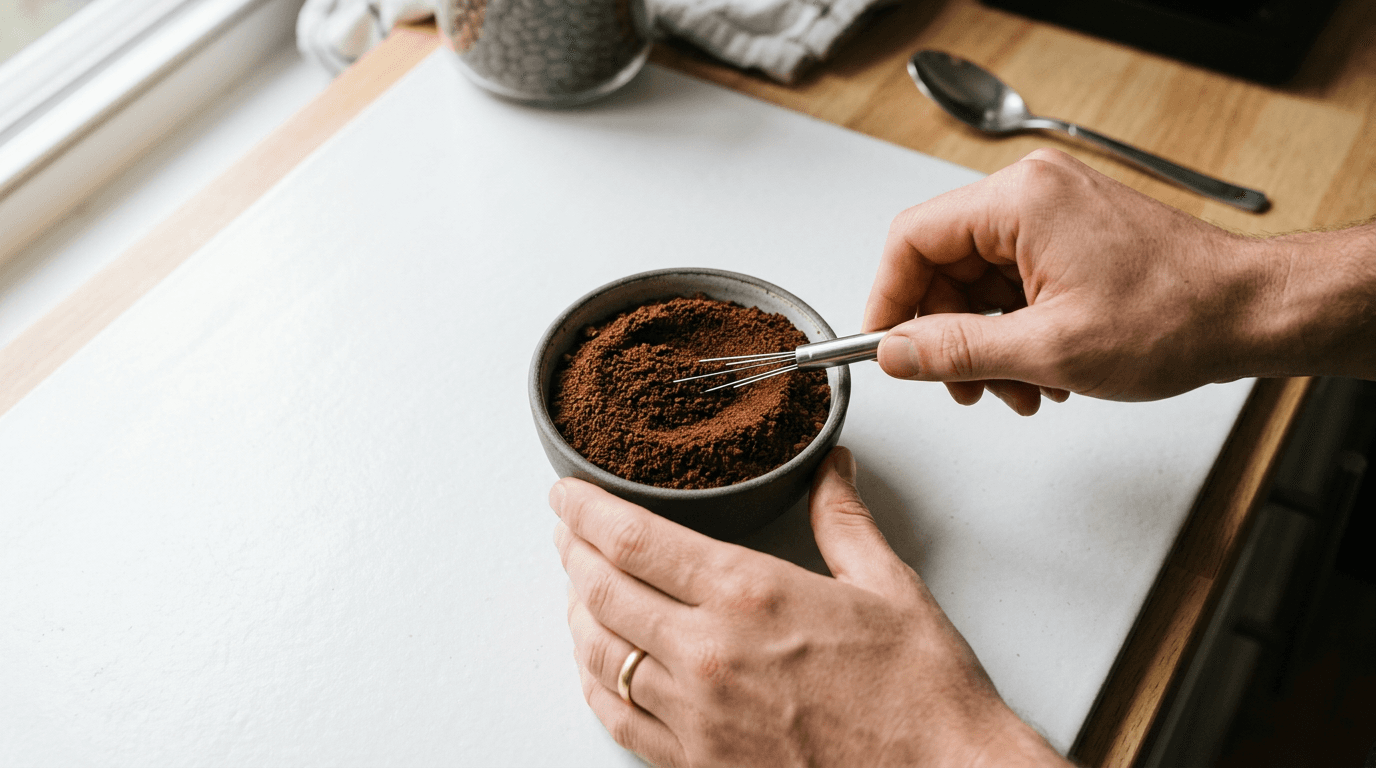
A 20-micron shift in particle size changes a vibrant specialty roast into a bitter, muddy extraction. The fastest way to ruin high-quality beans is by shattering them inconsistently before water ever touches them. Finding the correct burr coffee grinder ensures that water passes through an even bed of particles, extracting sugars and acids at a predictable, measurable rate. Rather than treating grinding as a mere afterthought to brewing, dialing in your equipment establishes the baseline for every cup you pour. When extraction goes wrong, the fault rarely lies with the brewer; it almost always traces back to the geometry and alignment of the burrs breaking down the seed.
Quick Summary
A burr coffee grinder crushes beans between two abrasive steel or ceramic surfaces rather than slicing them indiscriminately, ensuring the uniform particle size crucial for controlled extraction. By preventing extreme micro-fines and oversized boulders, these tools allow home brewers to dial in specific recipes for everything from heavy French press to high-pressure espresso.
- Conical burrs emphasize body and texture, making them ideal for traditional, syrup-like espresso extractions.
- Flat burrs prioritize flavor clarity and separation, dominating the manual pour-over space.
- Workflow features like timed dosing reduce morning preparation friction but require consistent hopper levels to remain accurate.
- Macro-step models handle batch brewing effortlessly but lack the micro-adjustments strictly required for unpressurized espresso baskets.
Table of Contents
- Comparison Table
- Burr Coffee Grinder Buying Guide: Decoding the Brew Focus
- 1. Baratza Encore ESP
- 2. Fellow Ode Brew Grinder Gen 2
- 3. Breville Smart Grinder Pro
- 4. OXO Brew Conical Burr Coffee Grinder
- Mapping Your Setup to the Right Grinder
- Recommended Reads
Comparison Table
| Product | Brew Focus | Features | Pros | Cons | Target Audience |
|---|---|---|---|---|---|
| Baratza Encore ESP | Espresso & Filter Hybrid | 40mm conical burrs, 40 stepped settings, dedicated micro-steps | High-torque motor, Tool-free cleaning access, Micro-step resolution | Chute retention requires purging, Plastic housing, Loud operation | Dual-method home brewers |
| Fellow Ode Brew Grinder Gen 2 | Filter-Only Precision | 64mm flat burrs, 31 settings, 100-gram single-dose hopper | Unimodal particle distribution, Anti-static catch bin, Quiet operation | Cannot grind for espresso, Premium pricing, Limited hopper capacity | Manual pour-over enthusiasts |
| Breville Smart Grinder Pro | Automated Dosing | 60 unique settings, Dosing IQ technology, 0.2-second increments | Grind-to-portafilter capability, Airtight storage integration, Precise digital timing | Dosing drifts as hopper empties, Difficult deep cleaning, Heat buildup | Streamlined workflow seekers |
| OXO Brew Conical Burr Coffee Grinder | Entry-Level All-Rounder | 40mm conical burrs, 15 major settings, 12-ounce UV-blocking hopper | Straightforward timer dial, Large bean capacity, Cost-effective pricing | Steps are too far apart for espresso, Inconsistent coarse settings, Basic motor | Daily drip coffee drinkers |
Burr Coffee Grinder Buying Guide: Decoding the Brew Focus
Evaluating burr grinder coffee setups requires understanding how a machine specifically interacts with your chosen brew method. A grinder optimized for one style often sabotages another. To classify these tools accurately, we evaluate them across a single critical lens: their Brew Focus. This axis defines the primary job the tool is engineered to perform, dictating whether it belongs on your counter.
Espresso & Filter Hybrid
This category bridges the gap between high-pressure extraction and gravity-fed drip. These units incorporate specialized adjustment collars that offer microscopic shifts for dialing in espresso, alongside macro shifts for standard filter baskets. They rely on conical burrs to produce a bimodal particle distribution - meaning they generate both primary particles and a secondary tier of smaller fines. These fines are necessary to create the physical resistance required for nine bars of pump pressure when pulling shots.
Filter-Only Precision
Machines in this class deliberately abandon high-pressure capabilities. They utilize flat burrs mounted in parallel to slice beans uniformly, resulting in a unimodal distribution. By nearly eliminating fines, these units prevent paper filters from stalling. The trade-off is absolute strictness: they lack the necessary friction generation for portafilters, making them exclusive tools for extracting delicate origin notes from lighter roasts.
Automated Dosing
These systems prioritize repeatable workflow over single-gram retention metrics. They use digital timers integrated with the motor to dispense grounds directly into a receptacle. While a hand coffee grinder offers ultimate portability, automated electric platforms remove the manual weighing step entirely. They suit environments where speed and consistency outrank the desire to experiment constantly with different beans.
Entry-Level All-Rounder
Built for straightforward utility, these machines discard micro-adjustments and digital interfaces in favor of physical hopper rotation. They target standard batch brewers who need to replace destructive blade systems without over-investing in unused precision. Their large physical steps mean they operate strictly in the forgiving middle ground of extraction.
Practical rule: Never pair a dark, heavily oiled roast with a flat-burr machine designed for precision; the dense oils quickly coat the parallel teeth, forcing you to disassemble and scrub the burr carrier weekly to maintain particle uniformity.
1. Baratza Encore ESP
Teams often upgrade to this specific hardware the moment their standard drip grinder chokes an entry-level pump machine. The Baratza Encore ESP is a conical burr grinder tailored for enthusiasts splitting their daily consumption between manual filter methods and pressurized extractions. It occupies the Espresso & Filter Hybrid category, serving as a transitional tool for users expanding their home cafe capabilities without committing to commercial-grade infrastructure.

Mechanically, the unit utilizes 40mm stainless steel M2 conical burrs driven by a high-torque DC motor. The engineering shift from the original model lies entirely in the adjustment collar's internal threading. The mechanism offers 40 stepped grind settings, but the thread pitch is not uniform. The first 20 settings utilize a fine thread pitch, dedicating exactly half of the dial to the micro-adjustments necessary to dial in an African Espresso. Once past setting 20, the thread pitch steepens dramatically, creating larger macro steps suited for standard drip and immersion brewers. The housing features tool-free access to the burrs, allowing users to rapidly disassemble the carrier for routine cleaning.
Dual-pitch threading dictates your extraction limits
At a retail price of $199.95, the machine packs specialized geometry into an accessible footprint, but the internal layout creates functional bottlenecks. The honest limit lies in the exit chute's retention rate. Because the pathway from the burrs to the catch bin is not entirely vertical, grounds accumulate inside the housing. Home users single-dosing different beans will find one to two grams of the previous grind trapped in the mechanism unless they manually actuate a bellows or aggressively purge the system. This makes it highly frustrating for anyone switching daily between decaf and standard roasts, as the retained fines will contaminate the subsequent dose.
Purchase this machine if your daily routine demands switching between a standard drip basket and an espresso portafilter without surrendering the counter space required for two dedicated units.
Pros
- Dedicated micro-steps for high-pressure brewing
- Tool-free burr removal streamlines maintenance
- High-torque motor resists stalling on dense beans
Cons
- Internal chute retains old coffee grounds
- Plastic housing fails to dampen motor noise
- Catch bin generates static cling during dry months
2. Fellow Ode Brew Grinder Gen 2
Before shortlisting this electric flat-burr coffee mill, buyers primarily ask if it handles both pour-over and espresso. Engineered explicitly to maximize flavor separation in manual, gravity-fed brewing methods, the Fellow Ode Brew Grinder Gen 2 strictly defines the Filter-Only Precision category. It caters to users who demand clarity and unimodal particle distribution from their morning pour-overs.
Rather than crushing beans through a cone, this machine feeds them into 64mm flat burrs that slice vertically using centrifugal force. This geometry produces a highly uniform particle spread with drastically fewer fines, ensuring water flows evenly through a paper filter without stalling the drawdown. It provides 31 unique grind settings controlled by a massive front-facing dial. Beans drop from a low-profile, 100-gram capacity single-dose hopper straight through the burrs and into a magnetically aligned catch bin. An integrated anti-static ionizer actively neutralizes the static charge on the grounds as they exit the chute, drastically reducing the flyaway chaff that plagues flat-burr systems.
Flat burr geometry trades versatility for pour-over clarity
Priced at $399.95, this equipment commits entirely to one half of the coffee spectrum. It explicitly stops at filter coffee. The machine is not intended for espresso. Physical distance between the burrs at the absolute zero setting dictates this restriction. Attempting to force the plates close enough to generate the fines required for a pressurized portafilter will physically jam the burrs. This action damages the motor. This strict ceiling entirely rules out anyone who plans to buy a pump-driven espresso machine in the future. It cannot be modified or recalibrated for high-pressure applications.
Invest in this specific fellow coffee grinder when extracting delicate origin characteristics from a Single Origin light roast matters more to your setup than retaining the mechanical ability to pull espresso shots.
Pros
- Massive 64mm flat burrs deliver exceptional uniformity
- Integrated ionizer eliminates messy static cling
- Magnetic catch bin ensures perfect chute alignment
Cons
- Zero capability for espresso extraction
- Small hopper requires daily manual weighing
- Premium price point isolates casual brewers
3. Breville Smart Grinder Pro
According to Breville's published specifications, adjusting the unit's grind time by just 0.2 seconds noticeably shifts the final extraction volume. The Breville Smart Grinder Pro is a programmable electric conical burr machine aimed at users who prioritize a streamlined, highly repeatable morning workflow over absolute granular manual control. As the definitive Automated Dosing option, it shifts the user's focus from tracking bean weight to managing programmed time intervals.

The system employs proprietary Dosing IQ technology to dictate output entirely through digital timers. The internal motor drives stainless steel conical burrs through 60 unique grind settings, adjusted via a side-mounted dial. Instead of relying on a standard catch bin, the unit allows users to grind directly into a specialized portafilter cradle, an airtight container, or a paper filter basket. The digital interface recalculates the dispensing time automatically when you shift between coarse and fine settings, attempting to maintain a consistent output volume regardless of the burr distance.
Digital timer increments reduce morning workflow friction
At $199.95, the machine centralizes the preparation steps, but its reliance on time creates a structural vulnerability. Time-based dosing drifts considerably when the bean hopper drops below half full. Because the feed mechanism relies heavily on the physical weight of the beans pressing down into the burr chamber, the actual output per second decreases as the hopper empties. Users must constantly top off the reservoir with heavy Blends to maintain accurate dosing, effectively ruining the machine's primary convenience feature for anyone attempting to single-dose specific weights.
Choose this automated platform provided that minimizing the physical manual steps required to dose a morning basket outweighs the strict need for absolute zero-retention grinding.
Pros
- 0.2-second increments offer tight dosage control
- Direct-to-portafilter cradle speeds up workflow
- 60 distinct settings cover a wide brewing range
Cons
- Dosing accuracy falls as the hopper empties
- Deep cleaning the burr chamber is cumbersome
- Prolonged grinding generates detrimental heat
4. OXO Brew Conical Burr Coffee Grinder
Premium alternatives often feature complex digital timer systems. This machine relies entirely on analog simplicity. The OXO Brew Conical Burr Coffee Grinder targets straightforward home setups with its streamlined design. Batch brewing pots is the primary goal. It sits firmly in the Entry-Level All-Rounder category. The grinder removes the intimidation factor for users looking to abandon pre-ground bags. It works without requiring a tutorial in extraction dynamics.
The mechanism channels beans from a UV-blocking hopper. It holds up to 12 ounces (approximately 340 grams) of whole beans. These fall straight down through 40mm stainless steel conical burrs. The user rotates the hopper itself to lock into one of 15 major grind size settings. Minor microsettings sit between the primary clicks. Grinding is initiated via a simple front-mounted timer dial. You twist it to your preferred duration and push the button to execute. It feeds into a static-resistant stainless steel catch bin. This container accommodates enough output for a standard 12-cup drip machine.
Hopper-driven macro adjustments cap your brewing ceiling
Retailing for $109.95, the unit offers a highly cost-effective entry point, but its simplicity hard-caps what you can brew. The vast physical distance between the 15 major settings means you simply cannot make the microscopic adjustments required to dial in sensitive manual brews. The burr geometry maxes out at acceptable drip and French press consistency, entirely ignoring the exacting demands of specialty recipe tinkerers. If a setting flows slightly too fast, dropping to the next available click will likely stall the brew entirely, leaving you trapped between two incorrect extraction rates.
Pick up this entry-level model exclusively to replace an inconsistent blade system for basic batch brewing, accepting that it cannot support advanced specialty recipes.
Pros
- Large hopper accommodates full bags of coffee
- Simple push-dial interface requires no learning curve
- UV-blocking plastic protects beans from degradation
Cons
- Steps are too wide for precise flow control
- Struggles with extreme coarse consistency
- Motor lacks the torque for very light, dense roasts
Mapping Your Setup to the Right Grinder
Selecting the correct equipment requires matching the physical limitations of the burrs to the daily reality of your kitchen counter. Purchasing beyond your actual workflow introduces unnecessary complexity, while under-buying guarantees daily frustration.
Espresso & Filter Hybrid platforms suit practitioners whose mornings involve both pump-driven machines and standard drip carafes. If you regularly pull shots but still need a quick pot of 6 Bean Blend for a commute, the dual-pitch threading allows you to bounce between the two extremes without losing your calibration.
Filter-Only Precision models are strictly for the manual brew isolationist. When your entire routine revolves around V60s or Chemex carafes, the unimodal distribution of flat burrs separates the tasting notes cleanly. You forfeit the ability to experiment with pressurized extraction entirely in exchange for absolute clarity in gravity-fed methods.
Automated Dosing units resolve the morning time crunch. If pulling out a digital scale at 6:00 AM feels like a hurdle, a time-based conical grinder lets you lock in a recipe and repeat it with a single button press. It demands a full hopper to remain accurate but rewards you with a frictionless workflow.
Entry-Level All-Rounder setups belong in high-volume, low-fuss environments. When evaluating a Best Sellers Sample Pack: 6Bean, Cowboy, Breakfast, Peru, Mexico, Bali, these macro-step machines will process the beans for a standard coffee maker efficiently, even if they lack the resolution to extract the absolute peak potential of a premium light roast.
Practical rule: Base your grinder budget on your brewer; if you own a highly sensitive, unpressurized espresso machine, you must allocate the bulk of your hardware budget to the grinder, as the brewer cannot compensate for inconsistent particle sizes.