Finding Single Origin Coffee Near Me: A Roasting Profile Guide
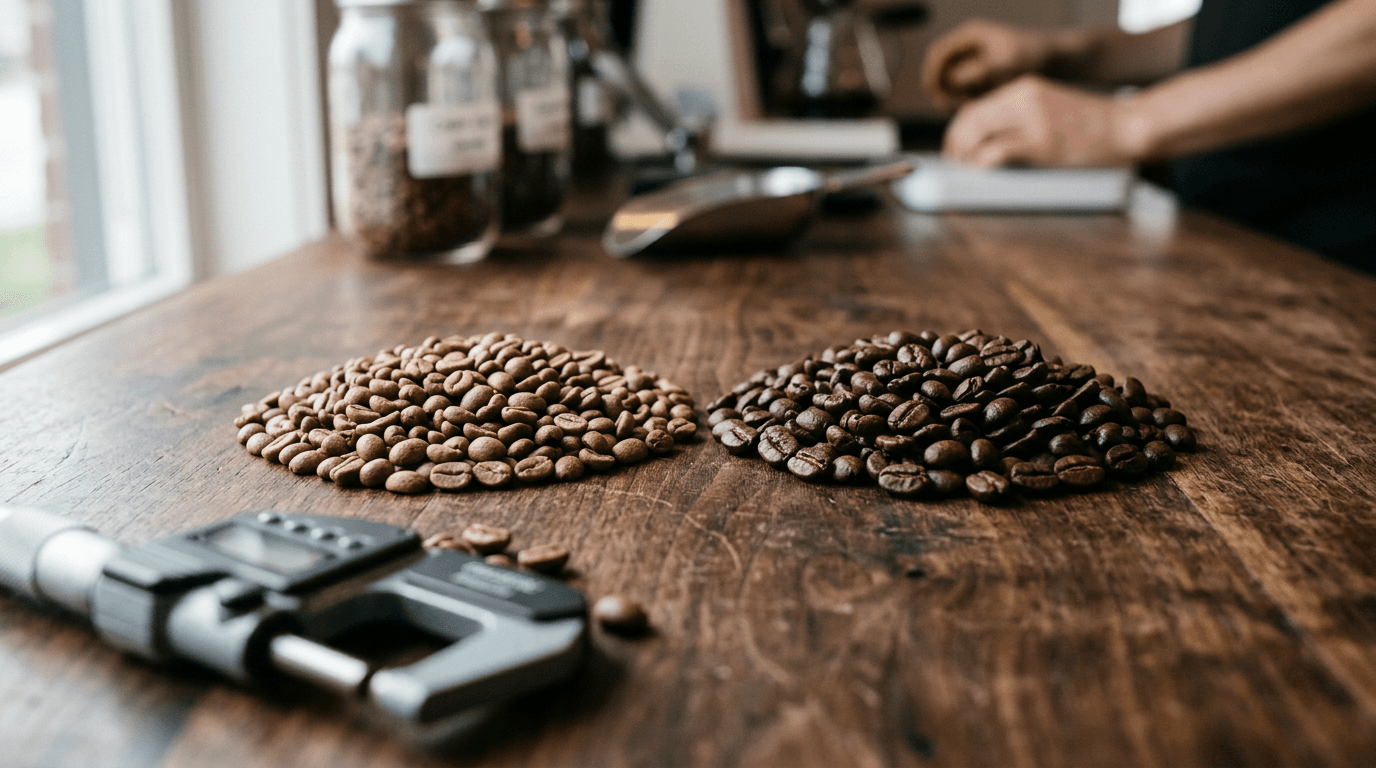
The impulse to search for single origin coffee near me often stems from a frustrating morning with a stale, untraceable blend. People assume that simply switching to a single-farm bean automatically upgrades their extraction, but terroir is entirely dependent on thermal development. A poorly developed Ethiopian bean will taste like grass, regardless of its prestigious elevation. The reality is that origin characteristics are fragile chemical compounds that roast profiles either highlight or obliterate. Understanding how cellular density, moisture content, and processing methods interact with heat is the only reliable way to evaluate which bean will actually perform in your specific brewing equipment.
Quick Summary
A single origin coffee is an unblended crop from one specific farm or region, defined by distinct geographic flavor markers called terroir. To extract these markers properly, the roaster must align the heat application with the bean's raw density.
- High-elevation African coffees require light roasts to preserve citric and tartaric acids.
- Dense South American beans handle heat efficiently, generating complex malic acidity.
- Naturally processed beans scorch easily due to high surface sugar content.
- Dark roasting low-elevation beans prioritizes dry distillation over inherent regional flavor.
Table of Contents
- Why matching origin to roast breaks most extraction routines
- 1. Ethiopia Yirgacheffe Washed
- 2. Colombia Supremo Light Roast
- 3. Panama Geisha Natural Process
- 4. Mexico Chiapas Dark Roast
- 5. Bali Blue Moon Medium-Dark
- If your extraction stalls, switch the origin
- FAQ
- Recommended Reads
Why matching origin to roast breaks most extraction routines
The conventional approach to buying coffee relies on regional reputation rather than physical bean structure. Coffee beans are essentially cellulose matrices holding moisture, sugars, and organic acids. Beans grown at higher elevations (above 1,500 meters) mature slowly in colder air, creating a dense cellular structure packed with complex carbohydrates. These high-density beans require aggressive initial heat in the roaster to penetrate the core without baking the exterior, resulting in the light, bright profiles found in unblended single origin profiles.
Lower elevation coffees, by contrast, possess a looser cellular matrix. Applying the same aggressive thermal curve to these beans causes the exterior to scorch before the interior reaches first crack. Roasters compensate by extending the development time, pushing the bean into the sugar browning and dry distillation phases. This creates the chocolate and toasted nut notes familiar to traditional espresso drinkers. When you drop a highly dense, lightly roasted bean into an espresso grinder calibrated for a porous, dark roasted bean, the extraction will stall or channel violently. The grinder burrs must be adjusted to account for the physical resistance of the origin, not just its flavor notes.
| Origin | Typical Elevation | Primary Acid Profile | Recommended Roast |
|---|---|---|---|
| Ethiopia Yirgacheffe | 1,700m - 2,200m | Citric / Malic | Light to City |
| Colombia Supremo | 1,200m - 2,000m | Malic / Lactic | Light to Medium |
| Panama Geisha | 1,500m - 1,900m | Complex Esters | Very Light |
| Mexico Chiapas | 1,000m - 1,500m | Low Acidity | Medium to Dark |
| Bali Blue Moon | 1,200m - 1,600m | Phosphoric | Medium-Dark |
1. Ethiopia Yirgacheffe Washed
Ethiopian washed coffees are the standard for high-acidity filter brewing. Intended for purists using pour-over methods, these beans undergo a wet process that strips the fruit mucilage entirely before drying. This pectin degradation removes the heavy fermented flavors, leaving behind a clean canvas that highlights the inherent citric acidity of the seed. When a specialized ethiopia coffee house builds its menu, washed Yirgacheffes are universally served as light roasts. The high physical density of Ethiopia coffee beans requires a fast, hot roast that drops shortly after first crack, preventing the volatile floral aromatics from burning off.
Floral dominance masking body defects
The hallmark of this origin is its intense, tea-like jasmine and bergamot presentation. Because the roast is dropped so early, the Maillard reaction barely begins, meaning no heavy caramel or chocolate compounds develop to anchor the cup. This creates an extremely thin mouthfeel. In a V60 or Chemex, this lack of body translates to clarity and brightness. However, the exact mechanism that makes it brilliant in a filter paper makes it structurally weak elsewhere.
This coffee fails completely in milk-based espresso drinks. The citric acid curdles hot milk structurally, and the delicate floral notes are instantly erased by dairy fats. Do not buy washed Ethiopian coffees if you primarily drink lattes or cappuccinos. Furthermore, the hard density of the light roast will challenge entry-level conical burr grinders, often producing excessive fines that choke the filter basket.
Practical rule: If the grinder motor audibly struggles or stalls when dosing, the bean density is too high for the burr geometry. Switch to a darker roast or a lower-elevation origin.
2. Colombia Supremo Light Roast
Colombia Supremo designates a specific screen size (size 17 or 18), not a region. These larger beans are sorted for uniformity, which allows for highly predictable heat transfer during the roast. It is designed for daily drinkers who want noticeable terroir without the polarizing tartness of East African varieties. By stopping the roast at a light-to-medium stage, the thermal momentum is cut right as malic acids (the compounds responsible for apple and pear flavors) reach their peak solubility. Choosing a standard colombia coffee over a generic blend guarantees a specific physical consistency in the hopper.
Heavy malic acidity with a narrow brewing window
Because the Supremo beans are physically larger, water travels through the coffee bed differently than it does with smaller peaberry varieties. The uniform size promotes an incredibly even extraction if the grind is perfectly dialed in, yielding a balanced cup with a syrupy lactic body and crisp malic finish. It bridges the gap between traditional diner coffee and modern specialty acidity.
However, that large cellular structure demands precise water temperature. If brewed below 200°F (93°C), the water lacks the thermal energy to dissolve the heavier acidic compounds, resulting in an astringent, sour cup that tastes like underripe fruit. Standard automatic drip machines, which rarely maintain consistent high temperatures, will consistently under-extract this profile. This origin requires a PID-controlled espresso machine or a manual kettle where boiling water is poured directly off the boil.
3. Panama Geisha Natural Process
The Geisha varietal is an exceptionally low-yield, mutation-prone coffee tree known for long internodes and intense ester production. Naturally processed Panama Geishas leave the entire fruit cherry intact during the drying phase, allowing sugars to ferment directly into the seed. This is exclusively for competition brewers and luxury buyers. Procuring authentic panama geisha coffee requires navigating a market flooded with counterfeits and diluted crossbreeds. The roasting mechanism for these beans is notoriously difficult: the high sugar content on the bean's surface from the natural process will instantly scorch in the drum if the charge temperature is too high.

High extraction complexity demands perfect temperature control
When roasted successfully to a very light level, Panama Geisha beans present overwhelming notes of mango, bergamot, and fermented strawberry. The complexity is derived from highly volatile aromatic esters that degrade rapidly upon contact with oxygen or excessive heat. Dialing in panama geisha coffee beans takes extreme patience; a shift of even two degrees in brewing water will mute the delicate tropical fruit notes and highlight dull, woody cellulose instead.
This is not a practical daily coffee. It requires a high-uniformity flat burr grinder to minimize fines, and precise bypass water control to manipulate the total dissolved solids (TDS). Most geisha coffee beans present an aggressively fermented funk if pushed through an espresso portafilter without pre-infusion. Skip this entirely if your morning routine prioritizes caffeine delivery over rigorous measuring and weighing.
4. Mexico Chiapas Dark Roast
Beans from the Chiapas region are typically grown at lower altitudes and possess a softer, more porous cellular matrix. They are ideal for traditional espresso drinkers who actively despise sour or acidic coffee. To prevent the soft beans from baking unevenly, roasters push them past first crack and deep into second crack. This prolonged heat application breaks down the original organic acids entirely, replacing them with the heavy compounds created during dry distillation. Testing these profiles is straightforward through a regional best sellers sample pack, which typically contrasts them against higher-acid origins.
Robust ash notes overwhelm subtle nuttiness
The primary mechanism at play here is cellulose carbonization. By pushing the bean to a dark roast, the natural oils are forced to the surface, creating a glossy sheen on the beans. This makes the coffee highly soluble, meaning it extracts easily and rapidly, producing massive amounts of crema in an espresso machine. It yields a thick, heavy body characterized by dark chocolate, clove, and a distinct smoky ash finish.
The limit of this profile is a complete loss of terroir. You are tasting the roasting equipment, not the soil of Chiapas. Furthermore, the surfaced oils will quickly coat and oxidize inside your grinder's burr chamber, leading to rancid flavors if the grinder is not disassembled and cleaned weekly. Do not use this roast in a super-automatic espresso machine; the dark, sticky oils will inevitably jam the internal brewing unit.
5. Bali Blue Moon Medium-Dark
Water trapped inside a green coffee bean acts as a thermal buffer. Indonesian coffees, particularly those from Bali and Sumatra, often utilize a unique processing method called Giling Basah (wet-hulling). The parchment is removed while the bean still retains enough excess water to remain physically soft, leaving it significantly more saturated than standard fully dried exports. This high moisture content fundamentally alters how the bean absorbs heat in the roaster. The initial drying phase takes significantly longer, forcing the roaster to extend the overall time. This profile is engineered for cold brew enthusiasts and French press users who need a coffee that stands up to full-immersion brewing without turning acidic.
Earthy syrupy body risks muddy extraction
The extended roast time and unique moisture profile yield a bean with virtually no high-end brightness, replaced instead by a massive, syrupy body and deep notes of forest floor, black pepper, and molasses. Because the cellular structure is physically battered during the wet-hulling process, the beans break apart irregularly in the grinder. This creates a wide particle size distribution.
This broad grind distribution is catastrophic for paper filters. The excess fines created by the irregular beans will immediately clog a V60 or Chemex, stalling the drawdown and resulting in a bitter, over-extracted mess. This coffee mandates a metal mesh filter or a coarse immersion method where the heavy, insoluble oils can pass freely into the cup. If you want a clean, tea-like beverage, this origin will consistently disappoint.
Practical rule: Never evaluate a wet-hulled coffee through a paper filter; the paper traps the exact lipid compounds that define the origin's heavy mouthfeel.
If your extraction stalls, switch the origin
Navigating a standard coffee catalog effectively requires mapping your brewing hardware directly to the physical properties of the beans. Buying coffee based purely on tasting notes printed on the bag ignores the mechanical reality of how water interacts with roasted cellulose. If your current setup constantly chokes, stalls, or channels, the solution is rarely a more expensive machine; it is almost always a mismatch between bean density and grinder capability.
If your grinder struggles with light, dense African coffees, stop fighting the hardware. Switch to a medium-roasted Central American bean that fractures easier under the burrs. If your automatic drip machine produces sour, thin cups from high-elevation washed beans, route around the temperature limitations by purchasing curated single origin favorites that feature darker, more soluble profiles. When you treat origins and roast levels as physical materials with structural limits rather than just flavor categories, you stop wasting money on premium beans your equipment cannot extract.
FAQ
Does single origin coffee have more caffeine than a blend? No. Caffeine content is determined primarily by the species (Robusta contains roughly double the caffeine of Arabica) and the ratio of coffee to water used during brewing, not by whether the beans come from a single farm or a blend.
Why does my light roast single origin taste sour? Sourness indicates under-extraction. Light roasts are physically dense and require more thermal and kinetic energy to dissolve. If your cup is sour, your water temperature is too low (aim for 205°F to boiling), your grind is too coarse, or your brewing ratio lacks enough water to push the extraction into the sweeter compounds.
Can I use single origin beans for espresso? Yes, but it requires recalibration. Unblended beans lack the structural balance that commercial espresso blends provide. High-acidity single origins demand finer grinds, longer pre-infusion times, and higher extraction ratios (often 1:2.5 or 1:3) to mitigate extreme tartness in the concentrated shot.
How quickly do single origin coffees go stale? Peak flavor typically occurs between 7 and 21 days post-roast. Because single origins rely heavily on volatile aromatic compounds to display their terroir, they lose their distinct regional characteristics faster than heavily roasted, oil-coated blends, which rely on stable carbonized flavors.