6 Ways to Select High Quality Coffee Beans by Origin and Roast
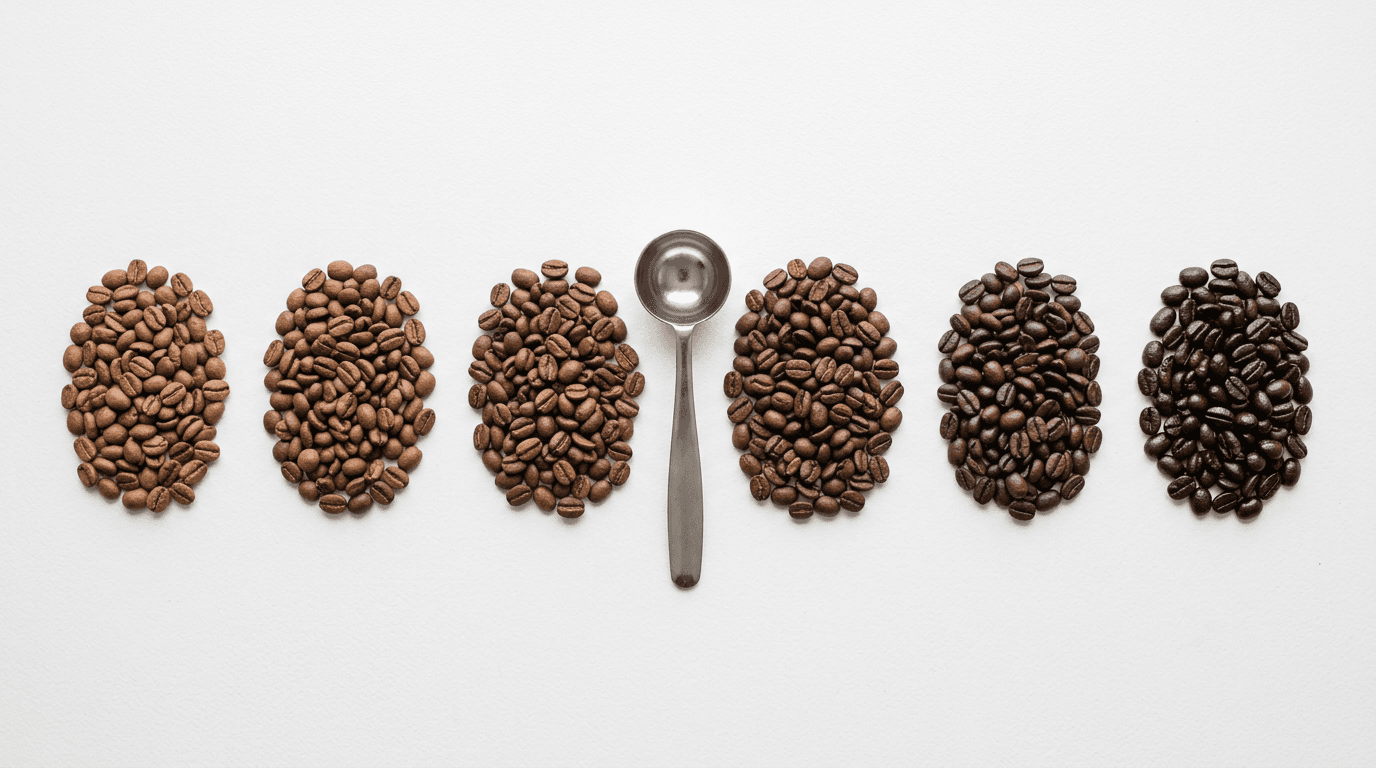
You are standing in front of a retail shelf or scrolling through an online catalog, staring at bags stamped with labels like "Pure Arabica" and "Notes of Chocolate." You realize quickly that neither phrase tells you whether the coffee will actually taste good in your morning cup. The specialty coffee market relies heavily on farm aesthetics and vague tasting notes, obscuring the chemical reality of how a bean was processed and roasted. Identifying high quality coffee beans requires looking past the marketing copy and understanding the physical interaction between a bean's regional terroir and its roast profile. Buying the right coffee is not about finding an objectively superior bean; it is about matching the seed's cellular structure and solubility to your specific brewing equipment and water chemistry.
Quick Summary
Sourcing exceptional coffee demands evaluating the physical properties of the seed alongside the thermal degradation of the roast. Origin dictates the chemical precursors present in the green coffee, while the roast level determines how easily you can extract those compounds during brewing.
- Washed high-elevation coffees require precision brewing to extract delicate organic acids.
- Natural process beans offer heavier body and sweetness but generate fines that complicate filtration.
- Darker espresso foundations sacrifice regional terroir for the structural stability necessary to cut through milk.
- Multi-region blends layer complex flavors but demand constant adjustment of your grinder.
Table of Contents
- The Evaluation Criteria
- 1. Washed High-Elevation African Beans
- 2. Natural Process South American Beans
- 3. Medium Roast Central American Blends
- 4. Dark Roasted Espresso Foundations
- 5. Multi-Region Post-Roast Blends
- 6. Experimental Barrel-Aged Coffees
- Profile Comparison Summary
- Mapping the Bean to Your Brewer
- FAQ
- Recommended Reads
The Evaluation Criteria
Comparing coffee beans solely by their flavor notes is functionally useless without knowing how easily those notes can be extracted. We evaluate these six profiles based on extraction margin (how forgiving the bean is to imprecise brewing temperatures or grind uniformity), flavor clarity (the distinction of individual organic acids versus generic sweetness), and optimal brewing equipment. A bean that scores perfectly for flavor clarity in a paper filter will often fail completely in an espresso basket due to its resistance to rapid extraction. The goal is to align the bean's physical density with the thermal energy your setup can actually provide.
1. Washed High-Elevation African Beans
Light-roasted, washed coffees from regions like Ethiopia or Uganda are formulated for pour-over enthusiasts seeking tea-like clarity and vibrant floral aromatics. These represent the most acidic and delicate profiles available, demanding total control over the brewing variables.

During the washed processing method, the sticky mucilage of the coffee cherry is completely scrubbed off the seed before drying. This isolation prevents fruit sugars from fermenting into the bean, leaving only the seed's intrinsic chemical makeup. Because these coffees grow at extreme elevations (often above 1,800 meters), the maturation process is slow, creating a dense cellular structure packed with citric and malic acids. When lightly roasted, these acids remain intact rather than degrading into heavier sugars. To break down this dense cellulose and pull the acids into the cup, you must use fresh whole coffee beans, very hot water (often right off the boil at 205°F to 210°F), and a highly consistent burr grinder. A dedicated Single Origin lineup built on washed African beans forces you to respect the chemistry of the seed.
Incredible flavor resolution, highly unforgiving of poor water chemistry
The high density of these beans means they resist extraction aggressively. If your water temperature drops during the brew, you will pull out sharp, sour acids without any balancing sugars, resulting in a thin, astringent cup.
Practical rule: Water chemistry dictates acid extraction. If your tap water is hard enough to leave scale in your kettle, the heavy calcium buffer will immediately neutralize the delicate malic and citric acids in light-roasted African beans, leaving the cup tasting flat and chalky regardless of your technique.
If you lack a precision gooseneck kettle, a scale, and soft brewing water, you should skip washed high-elevation coffees entirely. They do not tolerate generic automatic drip machines, and forcing them through a low-temperature brewer guarantees a sour failure.
2. Natural Process South American Beans
Beans sourced from Brazil, Peru, or Colombia that are dried entirely inside the fruit cherry are targeted at drinkers who want heavy, syrupy body and fermented fruit notes without the sharp, tea-like acidity of washed African coffees.
In the natural (or dry) process, the coffee cherry is laid out on raised beds to dry intact, behaving much like a grape turning into a raisin. As the fruit ferments and dehydrates, heavy sugars and ester compounds permeate the seed's cellular matrix. During the roasting process, these elevated sugar levels undergo intense Maillard reactions, creating heavy melanoidins. This chemical change yields a viscous mouthfeel in the final cup, along with distinct aromatic markers resembling strawberry jam, blueberries, or fermented wine. Testing a Best Sellers Sample Pack: 6Bean, Cowboy, Breakfast, Peru, Mexico, Bali often includes these natural process beans specifically to showcase how fruit fermentation changes the baseline texture of whole bean coffee.
Heavy texture and sweetness, prone to muddy extraction
Because the seed spends weeks fermenting inside the fruit, its cellular structure becomes highly brittle compared to a washed bean. This brittleness causes the bean to shatter unpredictably in the grinder, generating a higher percentage of microscopic coffee dust known as "fines."
These fines will aggressively clog paper filters in pour-over setups like a Chemex or V60. When the filter chokes, the water stalls, extending the brew time and heavily over-extracting the coffee into a bitter, muddy mess. If your grinder produces an inconsistent particle spread, natural process coffees will amplify that flaw, forcing you to use immersion methods like a French press to bypass the filtration bottleneck.
3. Medium Roast Central American Blends
Sourced heavily from regions like Mexico, Guatemala, or Honduras, these balanced, approachable coffees are formulated for daily drip coffee makers, office environments, and users who want a rich cup without extreme acidity or heavy bitterness.
A medium roast profile extends the bean's development time in the roasting drum just past the "first crack" (the audible pop when internal moisture vaporizes and breaks the seed wall). This extended thermal exposure caramelizes the sucrose in the bean into simpler, sweeter sugars while successfully degrading the sharpest chlorogenic acids. The result is a highly soluble coffee structure that extracts evenly and predictably. Because the internal resistance of the bean has been broken down by the longer roast, fresh coffee beans at this development level do not require perfectly distributed, boiling water to yield their core flavors of chocolate, nuts, and brown sugar. Traditional Blends lean heavily on this roast profile to ensure the coffee performs well across dozens of different brewing devices.
Maximum extraction tolerance, minimal distinctiveness
The trade-off for this extreme brewing tolerance is a loss of regional character. The roasting process has cooked away the volatile floral and fruit aromatics that make specialty coffee distinct.
If you want a cup that forces you to analyze its tasting notes or challenges your palate, a standard medium-roasted Central American bean is too integrated and straightforward to be interesting. It is engineered to be a background beverage rather than a focal point. Drinkers who prefer their coffee to taste like fruit juice or dark chocolate syrup will find this middle-ground approach entirely underwhelming.
4. Dark Roasted Espresso Foundations
Heavily developed beans roasted deep into "second crack" are built specifically to extract rapidly under pressure and cut through thick layers of steamed milk in lattes, cappuccinos, and flat whites.

Pushing a coffee roast into the second crack physically destroys the rigid cellulose walls of the seed, forcing internal coffee oils to migrate to the surface of the bean. This massive structural breakdown makes the coffee incredibly porous. In a high-pressure espresso environment (typically 9 bars of pressure), water forces its way through these brittle, porous grounds almost instantly. The high solubility allows the water to rapidly emulsify the surfaced oils, creating the thick, stable layer of crema necessary for traditional espresso texturing. Sourcing a specialized African Espresso profile at a dark roast intentionally trades the origin's natural acidity for the heavy, bittersweet chocolate notes required to balance twelve ounces of hot milk.
Predictable milk integration, complete loss of terroir
You are tasting the thermal energy of the roaster, not the soil of the farm. The intense heat destroys all organic acids and origin markers; a dark roast from Colombia will taste almost identical to a dark roast from Sumatra.
Practical rule: Never judge an espresso blend's potential on day two after roasting. The intense cellular destruction of a dark roast traps massive amounts of carbon dioxide inside the bean. Using freshly roasted coffee beans for espresso requires resting the bag for at least 7 to 10 days; otherwise, the aggressive CO2 off-gassing will physically repel the water in the portafilter, causing the shot to channel and spray everywhere.
Users trying to brew fresh espresso beans in a pour-over or standard drip machine should abandon this profile entirely. The exposed oils will turn rancid quickly when exposed to air, and gravity-fed brewing methods will extract harsh, ashy carbon notes rather than the rich syrup achieved under pressure.
5. Multi-Region Post-Roast Blends
These are complex recipes combining contrasting origins (for example, blending a bright Ethiopian with a heavy Sumatran) aimed at home baristas seeking a multifaceted flavor profile that layers acidity, sweetness, and body simultaneously.
The mechanism behind a premium blend is "post-roast" integration. Because a dense African seed and a softer South American seed absorb heat at entirely different rates, dropping them into the same roasting drum together guarantees that one will scorch while the other remains raw. High-quality roasters develop each origin independently to its peak solubility on its own unique thermal curve, and only blend the seeds after they have cooled. This physical mixing creates a final product with a wide spectrum of soluble compounds. Executing a complex 6 Bean Blend requires precise ratio management to ensure the heavy, dark-roasted components do not entirely mask the lighter, acidic highlights.
Engineered complexity, demanding dial-in process
The physical disparity between the beans in the bag guarantees extraction inconsistencies. A handful of this blend will contain beans of differing brittleness, sizes, and densities.
Light and dark beans shatter differently under the burrs. Your grinder will output a wider spread of particle sizes than it would with a single-origin coffee. The exact ratio of light-to-dark beans shifts with every scoop you take from the bag. You will constantly battle slight inconsistencies in your espresso puck preparation. Multi-region blends contain inherent physical variance. This will frustrate your workflow if you demand perfect shot-to-shot repeatability.
6. Experimental Barrel-Aged Coffees
Unroasted green coffee aged in used spirits barrels (such as bourbon, rum, or whiskey) before being roasted targets adventurous drinkers looking for dessert-like, aromatic profiles without the use of artificial liquid flavorings.
Green coffee is inherently hygroscopic. It absorbs ambient moisture and volatile odors from its environment aggressively. When a roaster seals green seeds inside an empty oak barrel that previously held liquor, the porous coffee matrix absorbs the ester compounds and heavy aromatics left behind in the wood. During the roasting process, the actual alcohol content flashes off entirely due to the extreme heat (approaching 400°F). Complex aromatic hydrocarbons remain chemically locked inside the bean. Evaluating a Single Origin Favorites Sample Pack occasionally reveals how dramatically these barrel-aging environments alter a bean. It would otherwise present as a standard, mild profile.
Intense aromatic payoff, rapid flavor degradation
The infused barrel aromatics are highly volatile and sit loosely within the bean's structure rather than being native to its cellular development.
Opening the bag exposes the fresh roasted coffee to oxygen. The barrel notes dissipate at an alarming rate. Standard coffees often peak a week after roasting. They hold their profile for a month. However, barrel-aged coffees lose their distinct liquor aromatics within two weeks of opening. If you only drink one cup a day or buy in bulk, the bottom half of your bag will revert to tasting like a standard, slightly muted cup of coffee. The premium price tag becomes entirely wasted.
Profile Comparison Summary
| Bean Profile | Primary Trait | Ideal Equipment | The Honest Limit |
|---|---|---|---|
| Washed African | Floral/Acidic clarity | Gooseneck kettle, flat burr grinder | Fails instantly with hard water |
| Natural Process | Heavy body, fruit | French press, immersion brewers | Brittleness creates filter-clogging fines |
| Medium Central | Balanced, sweet | Auto-drip coffee makers | Lacks distinct terroir or complex acidity |
| Dark Espresso | Thick crema, heavy | High-pressure espresso machines | Loses all regional flavor markers |
| Multi-Region Blend | Layered complexity | Home espresso or AeroPress | Grind variance makes dialing-in difficult |
| Barrel-Aged | Intensely aromatic | Pour-over or cold brew | Volatile flavors degrade quickly post-opening |
Mapping the Bean to Your Brewer
The fastest way to ruin high-quality beans is to force them through the wrong extraction method. If your bottleneck is equipment precision - meaning you rely on a standard automatic coffee pot and tap water - take the Medium Roast Central American blends. Their extended development time makes them soluble enough to extract properly without extreme heat or perfect agitation.
If your bottleneck is milk integration, and you need a shot of coffee to cut through heavy dairy syrups, select the Dark Roasted Espresso Foundations. A light-roasted washed coffee will vanish entirely in twelve ounces of milk, tasting sour rather than balanced.
Conversely, if you own a variable-temperature kettle, a precision burr grinder, and control your water hardness, you should bypass the medium blends and dark roasts entirely. Your equipment is built to extract the tightly bound acids in Washed High-Elevation African Beans. Using a highly capable pour-over setup on a dark, oily bean wastes the thermal precision of the tool and leaves you with an ashy, bitter cup.
FAQ
What does "100% Arabica" actually mean on a coffee bag? It is a botanical classification, not a quality metric. Arabica is one of the primary species of coffee, generally containing more sugars and fewer harsh bitter compounds than the Robusta species. However, a poorly sorted, defective, or stale Arabica bean will still taste terrible. The label simply rules out the presence of commercial-grade Robusta filler; it guarantees nothing about the roasting skill or the processing quality.
How long should coffee rest before brewing? Coffee requires a resting period (degassing) to release the heavy carbon dioxide trapped inside the seed during roasting. For light-roasted pour-over profiles, resting the beans for 3 to 5 days is sufficient. For dark-roasted espresso profiles, where the rapid extraction process is highly sensitive to gas interference, you must rest the beans for 7 to 14 days. Brewing immediately after roasting results in harsh, sharply acidic flavors and chaotic espresso extractions.
Why does my light roast coffee taste sour? Sourness is a symptom of under-extraction. Light-roasted beans are physically dense and resist giving up their soluble compounds. If your water is not hot enough (below 200°F), or your grind size is too coarse, the water will only wash away the volatile organic acids on the surface of the bean without breaking down the heavier balancing sugars inside. To fix this, raise your water temperature or grind finer.