5 Cold Brew Coffee Maker Systems Compared for Home Extraction (2026)
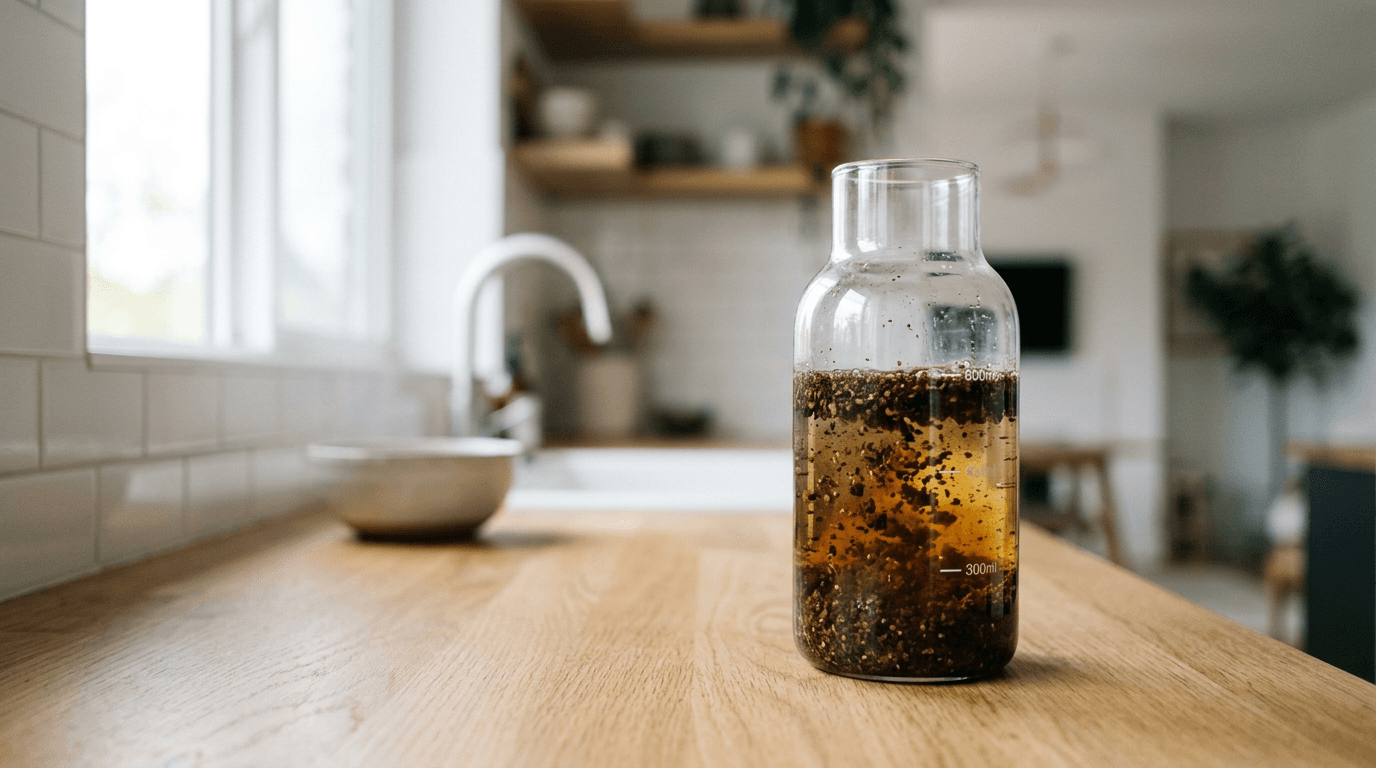
Cold extraction trades heat for time, replacing a rapid three-minute thermal shock with a twelve-to-twenty-four-hour steeping cycle. That structural shift fundamentally alters what a cold brew coffee maker actually needs to do. Instead of managing boiler pressure and volatile temperatures, these devices must isolate sediment, manage long-term ambient resting periods, and protect the liquid from absorbing environmental odors. Matching the right equipment to a kitchen depends entirely on available refrigerator space and the desired concentration level of the final yield.
Quick Summary
A cold brew coffee maker is a specialized extraction vessel designed to steep coarse grounds in ambient or cool water for twelve to twenty-four hours. These systems replace improvised mason jars with integrated filtration mechanics that isolate particulate matter from the final heavy concentrate.
- Filtration Systems yield the cleanest, highest-volume concentrate but demand significant vertical shelf space.
- Immersion Pitchers offer seamless refrigerator storage and direct serving but often allow fine sediment into the cup.
- Compact Drip-Through designs provide gravity-fed clarity in a nested footprint, though batch sizes remain limited.
- Multi-Serve Hybrids rapidly accelerate extraction using mechanical flow rates, eliminating the overnight wait entirely.
Table of Contents
- Buying Guide / How to Choose
- 1. Takeya Cold Brew Coffee Maker
- 2. Toddy Cold Brew System
- 3. Hario Mizudashi Cold Brew Coffee Pot
- 4. OXO Brew Compact Cold Brew Coffee Maker
- 5. Ninja DualBrew Grounds & Pods Hot & Iced Coffee Maker
- Matching the Brewer to the Household
- Recommended Reads
| Product | Extraction Format | Features | Pros | Cons | Target Audience |
|---|---|---|---|---|---|
| Takeya | Immersion Pitcher | Airtight lid, Tritan plastic, fine mesh core | Shatter-resistant, easily agitated, highly portable | Permits fine sediment, plastic can absorb oils, requires coarse grind | Commuters needing a durable, travel-ready brewer |
| Toddy | Filtration System | Polymer brewing bucket, felt pad, glass decanter | Massive 48 oz yield, perfectly clean cup, gravity drained | Requires massive vertical space, felt filter requires damp storage, no integrated lid | High-volume households prepping weekly batches |
| Hario Mizudashi | Immersion Pitcher | 1000 mL glass carafe, reusable mesh basket | Resists lingering odors, elegant serving profile, fits in fridge doors | Fragile glass handle, basket doesn't reach the bottom, limits small batches | Hosts serving beverages directly to guests |
| OXO Brew Compact | Compact Drip-Through | Nested design, rainmaker distributor, ultra-fine steel mesh | Minimal footprint, prevents dry channeling, nested storage | Small 16 oz yield, requires frequent resetting, glass base | Apartment renters with strict spatial constraints |
| Ninja DualBrew | Multi-Serve Hybrid | 9 size settings, 5 brew styles, mechanical pressure | Eliminates 24-hour wait, highly versatile, accepts pods | Lacks traditional heavy body, relies on electricity, large footprint | Drinkers prioritizing rapid extraction and variety over tradition |
Buying Guide / How to Choose
Before evaluating individual units, buyers must define how the equipment will manipulate the water and where that process will take place. We evaluate these systems across four distinct categories along an Extraction Format axis:
- Immersion Pitcher: These units keep the coffee grounds submerged within the primary serving vessel using an internal mesh column. They require minimal counter space and handle the entire steeping cycle securely inside the refrigerator. They should not be compared against high-volume bulk brewers.
- Filtration System: These rely on large, separate brewing buckets that steep at room temperature before draining through a heavy external filter into a storage carafe via gravity. They produce exceptionally clean concentrate but demand significant vertical space during the draining phase.
- Compact Drip-Through: Operating like scaled-down filtration systems, these units nest a small upper brewing chamber directly over a carafe. They offer the clean draining mechanics of gravity without the massive towering footprint, though they strictly sacrifice total volume.
- Multi-Serve Hybrid: These automated countertop appliances abandon passive overnight soaking entirely, using mechanical flow rates and tight temperature control to rapidly simulate cold extraction. They should not be compared against traditional manual steeping vessels.
Practical rule: What seems like the coolest coffee maker on the shelf will sit entirely unused if its assembled footprint prevents the refrigerator door from closing; always measure internal shelf height before committing to a vertical gravity setup.
1. Takeya Cold Brew Coffee Maker
The Tuesday morning commuter pulling open the refrigerator door expects immediate gratification: a concentrated batch of coffee ready to be diluted and taken out the door. Instead of cobbling together messy cheesecloth and fragile mason jars, buyers looking for convenience rely on this all-in-one Immersion Pitcher. It operates by containing the entire steeping process within a single vessel that moves directly from the countertop to the refrigerator shelf without requiring any decanting or secondary filtration steps.
The system consists of four distinct parts: a main pitcher, a handle and spout section, a fine mesh filter core, and an airtight lid. Users load coarse grounds into the central column, fill the surrounding vessel with cold water, and twist the components heavily together. When preparing a batch of Takeya cold brew coffee, the airtight seal allows the entire brewer to be violently shaken to agitate the grounds before sitting. The manufacturer lists an empty weight of 1.24 lbs, and the unit is constructed from BPA-free Eastman Tritan plastic, which resists the shattering risks common to glass carafes. A buyer will find a standard price of $24.99 on the manufacturer's website, or they can secure a bundled two-pack for $47.98.
Agitation accelerates the extraction cycle
Shaking an airtight vessel forces water directly through the dry pockets that normally plague passive immersion baskets, drastically increasing the physical contact rate between the solvent and the coffee's soluble compounds. We would hold off on this specific model if our primary goal was extracting delicate, brightly acidic Single Origin roasts, as the aggressive agitation and plastic housing tend to muddy highly nuanced flavor notes. The structural limit of this design lies in its filtration mechanism: fine sediment routinely bypasses the metal mesh, leaving a noticeable layer of muddy sludge at the bottom of the final cup that ruins a perfectly clean mouthfeel. Purchase this setup when durability, travel-readiness, and straightforward cleaning matter significantly more than achieving a completely particulate-free concentrate.
Pros
- Airtight seal prevents spills and blocks ambient refrigerator odors
- Tritan plastic construction entirely eliminates shattering risks
- Streamlined design requires almost zero dedicated counter space
Cons
- Metal mesh filter permits noticeable fine sediment into the final yield
- Plastic housing can absorb stale oils over months of continuous use
- Requires an extremely coarse grind to prevent overwhelming sludge
2. Toddy Cold Brew System
Operating entirely without moving parts, mechanical pumps, or electrical components, this piece of equipment relies on natural physics and includes a 1-year product warranty. Buyers seeking a reliable Filtration System often choose this specialized plastic bucket and glass decanter setup to process large batches of coarse grounds through steady, unhurried gravity. It relies on sheer volume and ambient time rather than physical agitation to pull heavy, chocolate-toned soluble compounds safely from the coffee bed.

The mechanism separates the brewing vessel from the final storage carafe. Water and coffee steep together in a large upper polymer chamber. After twelve to twenty-four hours of undisturbed resting time, the user pulls a small rubber stopper from the bottom of the brewing bucket. The heavy concentrate then drains slowly through a thick, reusable felt filter pad directly into the waiting glass decanter below. Extracting Toddy cold brew coffee requires patience, as this controlled drainage ensures the heavy liquid does not channel or bypass the thick filter bed. The manufacturer notes the system is designed to brew up to 48 ounces of cold brew concentrate per cycle. It carries a retail price of $45.00 on the Death Wish Coffee store, though buyers can receive a free unit in the first delivery of the Toddy Special Delivery Club with a minimum commitment of three scheduled shipments.
Felt filtration traps insoluble oils and sediment
Passing a heavy concentrate directly through a dense felt pad strips out almost all suspended solids, yielding a syrupy but remarkably clean liquid that standard metal mesh simply cannot replicate. What would make us hesitate is the ongoing requirement to manage that specific filter: a wet felt pad must be carefully rinsed and stored damp in a refrigerator between uses to prevent mold, demanding strict maintenance habits. The absolute boundary for this equipment is physical space, as the towering bucket-over-carafe draining phase and the fragile glass storage vessel require significant, dedicated counter and refrigerator real estate. Select this system to produce large, exceptionally clean batches of concentrate that can reliably sustain a high-volume household for an entire week.
Pros
- Produces an unparalleled, sediment-free heavy concentrate
- Massive 48-ounce batch capacity minimizes brewing frequency
- Gravity drainage prevents aggressive over-extraction
Cons
- Towering operational footprint demands substantial vertical clearance
- Damp felt filter requires careful, mandatory refrigerated storage
- Glass decanter lacks a secure, airtight travel lid
3. Hario Mizudashi Cold Brew Coffee Pot
Finding a cracked plastic carafe leaking dark liquid at the back of a refrigerator is the exact trigger event that sends households searching for a permanent glass alternative. Replacing easily scratched, porous plastics with a 1000 mL all-in-one vessel, this Immersion Pitcher relies on a reusable fine-mesh basket to contain the brewing process inside a sleek, table-ready profile. It successfully eliminates the aesthetic clumsiness of pouring a morning beverage out of a utilitarian plastic bucket.
The brewing process depends entirely on passive steep time and the thermal mass of the carafe. Water flows gently over the grounds housed in the long central column, with the entire apparatus sitting in the refrigerator for the manufacturer's recommended eight hours. Once the resting period completely finishes, the user simply lifts the basket out by its integrated handle, letting the trapped liquid drain before discarding the wet grounds and leaving the finished beverage behind. The 1000 mL (8 cups) black version holds a regular price of $25.50 on the Hario USA website, though a smaller 600 ml variant is also readily available for tighter spaces. It maintains a strong average user rating of 4.7 out of 5 based on 69 reviews on the Prima Coffee website.
Glass architecture protects the flavor profile
Glass does not absorb volatile oils. It blocks lingering odors that often embed themselves into plastic pitchers over months of heavy use. This ensures today's fresh batch does not taste like last week's dark roast. I would hold off on this specific Hario cold brew coffee brewer if the household shares a crowded, chaotic refrigerator. The glass handle sits entirely exposed. It is vulnerable to being knocked against heavy condiment jars. Because of the restricted basket length, the mesh column does not reach the very bottom of the carafe. Small-batch preparations cannot properly submerge the necessary coffee grounds. This explicitly rules out single-serving operations. Choose this carafe for serving guests directly from the refrigerator in a vessel that prioritizes visual elegance and strict odor resistance.
Pros
- Glass construction permanently resists lingering odors and stale oils
- Elegant profile easily transitions from refrigerator to dining table
- Integrated basket handle ensures effortless grounds disposal
Cons
- Exposed glass handle remains vulnerable to accidental shattering
- Short internal basket physically prevents small-batch steeping
- Relies strictly on passive immersion rather than forced agitation
4. OXO Brew Compact Cold Brew Coffee Maker
Shoving heavy jars aside to rearrange an entire refrigerator shelf just to accommodate a tall brewing vessel frequently drives buyers toward smaller, modular footprints. Built as a space-saving Compact Drip-Through, this nested setup isolates a steeping chamber directly above a small glass carafe to drastically minimize vertical space requirements during storage. It strips away the towering bulk of traditional gravity brewers while maintaining the mechanical benefits of external filtration.

Precision measurements drive this specific extraction. The user places exactly 175 grams of coarse-ground coffee into the upper container and pours in 700 milliliters of water. A specialized, perforated rainmaker top evenly distributes the incoming water over the dry grounds, ensuring total saturation without requiring aggressive stirring. After the steeping phase concludes, a spring-loaded valve releases the liquid, draining it through an ultra-fine, reusable stainless steel mesh filter directly into the nested carafe below. This tightly calculated ratio yields approximately 16 ounces of finished concentrate. Buyers will find the manufacturer's regular price for the compact model sits firmly at $39.99.
Controlled water dispersion prevents channeling
A showerhead style distributor intercepts heavy pours. This stops them from drilling vertical holes into the coffee bed. Those holes normally create uneven, poorly extracted zones in passive steeping environments. I would hold off on this unit if the daily routine involves multiple people pulling from the exact same concentrate supply. The extremely small output volume requires constant refilling. It cannot support heavy consumption. The device hits a purely volumetric operational ceiling. Yielding only 16 ounces of concentrate per cycle exhausts the supply rapidly. This makes it a poor fit for anyone trying to front-load a week's worth of preparation in one sitting. Acquire this brewer when strict spatial constraints dictate the equipment choice but a gravity-drained, low-acid extraction style remains the non-negotiable preference.
Pros
- Rainmaker lid guarantees perfectly even saturation across the grounds
- Nesting architecture requires a fraction of standard storage space
- Spring-loaded release valve securely prevents messy countertop leaks
Cons
- Tiny 16-ounce yield limits usefulness for multi-person households
- Glass carafe base requires careful handling around heavy dishes
- Requires precise measuring to avoid overflowing the compact chamber
5. Ninja DualBrew Grounds & Pods Hot & Iced Coffee Maker
Can a single countertop appliance handle a hot morning carafe, a midday pod, and an evening concentrate without compromising the basic extraction mechanics of any of them? Landing firmly in the Multi-Serve Hybrid category, this automated machine abandons passive soaking entirely to force cool water through grounds using mechanical pressure and tightly regulated flow rates. It purposefully trades the long, slow physics of traditional immersion for engineered speed.
The interface grants total control over the output volume and format. A user selects from 9 different grounds sizes, ranging from a single cup up to a full carafe, and chooses among 5 distinct brew styles: Classic, Rich, Over Ice, Specialty, and Cold Brew. When running the specialized Ninja cold brew coffee setting, the machine regulates the thermal output to stay cool and pulses water over the bed rapidly rather than allowing it to sit undisturbed overnight. While it easily accommodates a 12 Pack Single Serve Coffee Capsules setup for rapid morning exits, the specialized grounds basket handles fresh beans for custom iced recipes. This rapid flexibility earns it a high average user rating of 4.5 out of 5 stars based on 257 reviews on Costco's website.
Mechanical flow rates replace passive steeping time
Forcing cool water heavily through a coffee bed with slight mechanical pressure pulls soluble compounds out in a fraction of the time, avoiding the heavy oxidation that occurs during a standard 24-hour sit. We would completely avoid this route if the sole objective was brewing bulk concentrate for recipes, as the machine's programming prioritizes immediate, ready-to-drink consistency over yielding a heavy, syrupy additive. The inherent constraint of this hybrid approach is its flavor ceiling: because it relies on accelerated flow rather than a true overnight soak, the resulting cup lacks the dense body and profound sweetness of a classic gravity drip, frustrating purists expecting traditional immersion results. Rely on this multi-faceted workstation when immediate, highly varied beverage demands drastically outweigh the need for traditional, slow-stepped extraction.
Pros
- Completely eliminates the standard twelve-to-twenty-four-hour wait time
- Vast sizing options range from a single mug up to a full carafe
- Easily transitions between fresh coffee grounds and single-serve pods
Cons
- Flavor profile noticeably lacks the heavy syrup body of true immersion
- Demands significant, permanent countertop space near an outlet
- Complex internal plumbing requires regular, rigorous descaling
Matching the Brewer to the Household
Matching the equipment to the environment actively prevents daily friction in the kitchen.
For households churning through everyday Blends at a high volume, a Filtration System handles the heavy workload effortlessly. The massive batch sizes mean a single Sunday preparation yields enough heavy concentrate to carry multiple daily drinkers through an entire work week without requiring a reset.
When the priority is visual presentation and strict refrigerator organization, an Immersion Pitcher fits perfectly. These units slide seamlessly into tight side door compartments, successfully avoid the aesthetic clutter of plastic buckets, and allow users to serve guests directly from a pristine glass carafe.
If vertical clearance is practically non-existent on the kitchen counters, a Compact Drip-Through directly resolves the bottleneck. By cleverly nesting the brewing chamber directly into the glass storage vessel, it delivers gravity-fed clarity without demanding the towering footprint of a standard bucket system.
Finally, when speed and variety dictate the morning routine, a Multi-Serve Hybrid provides the necessary versatility. When testing different Sample Packs, the machine's variable size settings allow users to rapidly pull an iced beverage in minutes rather than forcing them to wait until the following morning.