4 Coffee Pods and Systems Compared for Daily Home Brewing
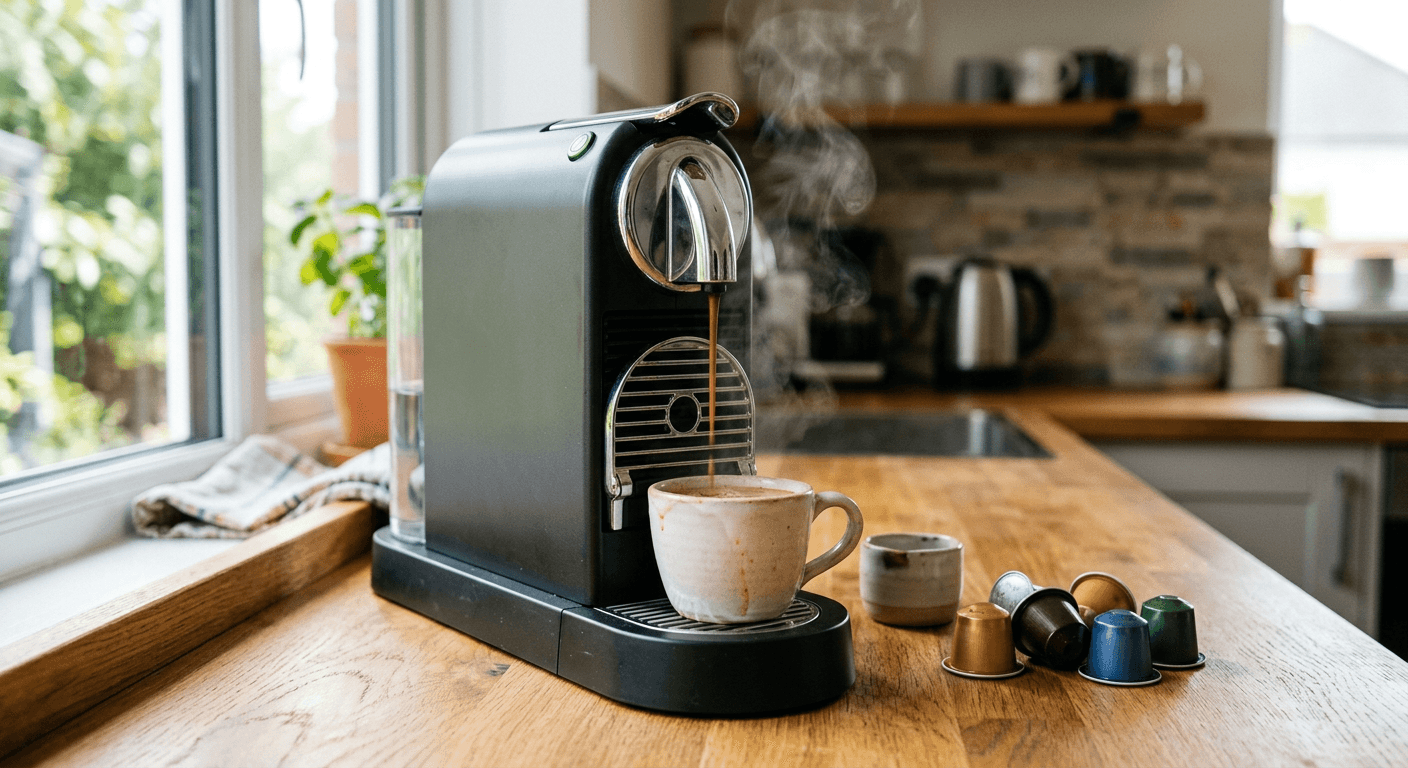
Standing in a kitchen at 6:00 AM waiting for a machine to heat up exposes the mechanical truth of single-serve brewing: convenience always dictates extraction parameters. Home brewers often commit to a countertop ecosystem without measuring whether its thermal block and water pump can actually handle their preferred roast profile. Evaluating coffee pods requires interrogating the pump pressure, the capsule geometry, and the rigid ecosystem restrictions that define what ends up in the cup.
Quick Summary
The home single-serve brewing market relies on predefined extraction mechanics, forcing a choice between high-pressure capsule systems, low-pressure gravity drip hubs, and slow-steep immersion formats. Selecting the correct format requires matching the hardware's limitations to your daily caffeine requirements rather than relying on brand aesthetics.
- High-pressure systems force water through tightly packed aluminum, simulating espresso mechanics.
- Gravity-assisted hubs prioritize broad compatibility over extraction depth.
- Hardware ecosystems often lock users into specific pod dimensions and barcoded brew parameters.
- Immersion pouches bypass machine hardware entirely, utilizing extended steeping times for bulk preparation.
Table of Contents
- Evaluating Brewing Architectures
- 1. Nespresso
- 2. Keurig
- 3. Crazy Cups
- 4. Partners Coffee
- Mapping Systems to Daily Routines
- Recommended Reads
| Product | Brewing Architecture | Features | Pros | Cons | Target Audience |
|---|---|---|---|---|---|
| Nespresso | High-Pressure Capsule Systems | Aluminum pods, dedicated recycling, forced-pressure pump | Consistent high pressure, recyclable pods, rapid heating | Strict hardware lock-in, limited volume sizes, narrow roast variety | Espresso drinkers wanting rapid deployment |
| Keurig | Low-Pressure Extraction Hubs | Multi-stream needle puncture, gravity drip, multi-brand compatibility | Massive brand selection, hot water dispensing, cheap per-unit cost | Low extraction pressure, weak crema, bulky footprint | Volume drinkers focused on convenience over strength |
| Crazy Cups | Low-Pressure Extraction Hubs | Custom flavoring, flexible subscription, third-party standard | Broad flavor profiles, subscription discounts, flexible returns | Requires third-party machine, flavoring retention in hardware, lower pressure | Drinkers preferring heavy flavor integration |
| Partners Coffee | Immersion-Based Portables | 3 oz pre-ground pouches, steep-in-bag design, no hardware required | Zero mechanical footprint, deep extraction, batch preparation | 12+ hour steep time, single temperature focus, manual disposal | Home brewers prioritizing bulk cold extraction |
Evaluating Brewing Architectures
The criteria that genuinely separate single-serve systems have little to do with the color of the machine or the marketing on the box. They are defined by the physical method the system uses to push water through roasted coffee grounds. We classify these systems across a single axis: Brewing Architecture. This lens dictates extraction yields, temperature stability, and ongoing operational costs.
High-Pressure Capsule Systems utilize internal mechanical pumps to force heated water through a sealed metallic or thick plastic pod. This approach mimics traditional espresso mechanics, focusing on short, concentrated extractions. These systems lock you into proprietary capsule dimensions. You cannot run a generic drip pod through a high-pressure pump.
Low-Pressure Extraction Hubs operate on a gravity-assisted drip mechanism. A needle punctures the top and bottom of the pod, introducing hot water that saturates the grounds and simply falls through a paper filter into the cup. This architecture sacrifices pressure and body for extreme versatility, acting as a standardized hub for thousands of third-party roasters.
Immersion-Based Portables discard the machine entirely. These rely on osmotic extraction over time, submerging a heavily dosed filter bag into water. The trade-off shifts from mechanical complexity to temporal patience, requiring hours rather than seconds.
1. Nespresso
Water forced through finely milled grounds inside an aluminum shell at high velocity dictates the mechanical reality of Nespresso. When we analyze this system, the focus immediately lands on its internal pump, engineered to push water through the dense coffee puck created by the machine's closure mechanism.
Rather than relying on gravity, the machine punctures the hermetically sealed pod. It introduces hot water and builds pressure until the foil yields. This extracts a concentrated dose. This High-Pressure Capsule Systems architecture isolates the grounds from external oxygen until the exact moment of extraction. Volumetric dosing is strictly hardcoded into the hardware. Original espresso pods are designed for three classic coffee sizes: Ristretto (25 ml), Espresso (40 ml), and Lungo (110 ml). Pulling a short, sharp Ristretto mirrors the intensity you would look for when dialing in a complex African Espresso on a manual machine. You remain constrained by the pod's pre-set weight.
Original line capsules trade versatility for high-pressure focus
What stops this platform from serving as a universal kitchen solution is its strict volumetric ceiling. Nespresso Original machines are designed to only use Original coffee pods and are not compatible with Vertuo pods. You cannot trick the hardware into brewing a 12-ounce mug of drip coffee; attempting to pull a Lungo twice through the same capsule only results in aggressive over-extraction and bitter astringency. We would hold off on deploying this system if a household regularly expects standard diner-style mugs of coffee.
Nespresso mitigates the environmental cost of single-serve aluminum by maintaining a closed-loop recovery network. All aluminum Original pods are recyclable through Nespresso's dedicated service, which includes dropping off used capsules at a Nespresso Boutique. Ordering replacement sleeves directly triggers a logistical perk, as Nespresso offers free delivery on all orders over $75 with an estimated delivery timeline of 1 to 4 business days.
We would specify this system for households prioritizing rapid, consistent espresso-volume extractions without the burden of manual dialing.
Pros
- Rapid thermal block heating achieves brew temperatures in seconds.
- Closed-loop recycling system prevents aluminum waste from entering landfills.
- Hermetic aluminum seals prevent oxidation of the pre-ground coffee.
Cons
- Volumetric output is strictly limited to 110 ml maximum per capsule.
- Complete incompatibility with the newer barcode-driven Vertuo line.
- Requires bulk purchasing to hit the $75 free shipping threshold.
2. Keurig
Moving from forced pressure to gravity fundamentally alters what reaches the cup. The Keurig ecosystem operates as a standardized countertop water heater and delivery manifold.
Inside the chassis, water is drawn from a reservoir and heated rapidly. It is pushed through a top-down puncture needle. The water cascades into a plastic cup housing a miniature paper filter and a loose dose of ground coffee. There is no back-pressure built against a tamped puck. Extraction relies entirely on the water's brief contact time with the grounds as it falls through the bottom exit needle. This Low-Pressure Extraction Hubs category trades depth of flavor for aggressive market compatibility. You can run anything from a standard medium roast to a robust 6 Bean Blend through the exact same hardware logic.
Gravity-assisted drip limits extraction ceiling
The mechanical limitation of gravity drip cannot be bypassed by software. The water moves too quickly through the loosely packed coffee k cups to dissolve the complex lipids and oils that create mouthfeel. Users expecting thick body or authentic crema will find a hard stop here; the output will always remain a filtered drip profile. We see this mismatch frequently when buyers attempt to pull a "strong" two-ounce shot from a machine engineered exclusively for eight to twelve-ounce washes.
Because the architecture acts as an open standard, the pricing scales efficiently for volume drinkers. The Keurig Coffee Lovers' Collection Variety Pack 40-count is priced at $35.99, while the smaller 24-count sits at $20.49. This reduces the per-cup operational cost significantly compared to proprietary aluminum ecosystems.
Practical rule: Never leave a used pod in a low-pressure drip machine overnight; the damp paper filter inside the plastic housing becomes an immediate breeding ground for mold that will taint the hub's internal puncture needles.
This hub belongs on countertops where high-volume, rapid-succession brewing of varied brands outranks the need for concentrated extraction.
Pros
- Massive third-party compatibility allows access to hundreds of roasters.
- Capable of dispensing plain hot water for other kitchen tasks.
- Lower per-unit cost makes daily high-volume consumption economical.
Cons
- Complete absence of extraction pressure yields a thin, untextured body.
- Plastic pod housings require disassembly to recycle properly.
- Internal needles are highly susceptible to clogging from fine grounds.
3. Crazy Cups
Focusing heavily on post-roast flavoring profiles, Crazy Cups steps into the single-serve market by leveraging existing hardware rather than building its own.
Instead of managing thermal stability or pump flow rates, this brand formulates flavored coffee to perform within the brief contact window of a standard drip pod. The mechanics of flavoring in this format require coating the ground coffee with aromatic compounds that rapidly dissolve when hit with 195-degree water. Operating firmly within the Low-Pressure Extraction Hubs category, the pods are packed to optimize the gravity-fed wash, ensuring the water does not channel unevenly through the grounds before exiting the filter. This standard allows buyers to experiment with highly specific profiles or test decaf coffee pods without committing to large, perishable bags of flavored beans.
Flavor saturation requires reliance on external hardware
The inherent vulnerability of this approach is its total dependence on a third-party machine's maintenance schedule. If your countertop brewer suffers from scale buildup or a failing heating element, the resulting cup will drop in temperature, failing to dissolve the flavoring compounds properly. What would make us hesitate is using heavily flavored pods in a machine shared with users who prefer clean, single-origin black coffee. The oils from flavored grounds frequently adhere to the exit needle, causing ghosting - where a faint artificial vanilla or hazelnut note taints the next three cups brewed through the hub.
Commercially, the brand structures itself around routine replenishment. Subscribers can save 20% on every order with customizable, flexible delivery schedules. Crazy Cups offers free shipping on all orders of $45 or more within the continental United States, with a flat $5.99 shipping fee for orders below that amount. They also offer a safety net for experimentation: if a customer is unsatisfied with their purchase, they can notify Crazy Cups within 30 days of the shipment date for an exchange or return.
Deploy this pod strategy when you require vast flavor variety and already own the hardware to process standardized cups.
Pros
- Subscription model drops ongoing costs by a flat 20 percent.
- 30-day return policy de-risks testing unusual flavor profiles.
- Eliminates the need to store multiple large bags of flavored grounds.
Cons
- Flavor oils can contaminate the exit needles of the brewing hardware.
- Requires a $45 cart minimum to escape the $5.99 shipping penalty.
- Fully subject to the thermal inconsistencies of third-party machines.
4. Partners Coffee
Abandoning the mechanical complexity of pumps and heating elements entirely, Partners Coffee targets the cold extraction segment through scaled-up immersion.
Instead of forcing water through a plastic cup in thirty seconds, this method relies on prolonged osmotic pressure. The product consists of large, filter-paper bags pre-loaded with coarse grounds. You submerge the bag in a pitched of cold water and wait. This Immersion-Based Portables category removes every machine variable - descaling, voltage, pump failure - and replaces it with ambient temperature steeping. Partners Coffee offers its Rockaway Cold Brew Pouches in packs where each single-use pouch contains 3 ounces of pre-ground coffee. This massive dose, compared to the standard 10-gram payload of a countertop pod, ensures the resulting concentrate holds up to dilution with ice or milk.
Extended steeping removes on-demand flexibility
Where this approach restricts the user is in its absolute lack of immediacy. The mechanics of cold water extraction require 12 to 24 hours to dissolve the necessary solubles from the coffee bags for cold brew. If you wake up and realize you forgot to prepare the pitcher, there is no button to bypass the chemistry; you simply do not have cold brew that morning. We would rule this out for environments that require instantaneous, unpredictable consumption.
Logistically, the roaster moves inventory quickly. Partners Coffee processes and ships orders within 2 days of placement. For recurring needs, free shipping is offered on all orders over $40 or on any subscription orders. The format is highly portable; packing a few pouches for a weekend trip requires no hardware other than a pitcher and an Enamel Mug to drink from.
Reserve this format for routines that allow for batch preparation and prioritize heavy, low-acidity cold coffee over hot, on-demand cups.
Pros
- Complete independence from mechanical hardware and electricity.
- Massive 3-ounce payload ensures a dense, highly concentrated extraction.
- Biodegradable filter pouches simplify cleanup compared to plastic pods.
Cons
- Mandates a minimum 12-hour preparation window before consumption.
- Cannot be adapted to brew a hot cup of coffee on demand.
- Requires dedicated refrigerator space for the steeping pitcher.
Mapping Systems to Daily Routines
Selecting the right system requires auditing how your household actually consumes caffeine, matching the hardware to the bottleneck.
For users requiring rapid, concentrated doses mimicking cafe-style pulls, High-Pressure Capsule Systems deliver the necessary mechanical force. The strict volumetric output suits those who drink short blacks or small lattes, provided they accept the hard lock-in to a proprietary aluminum ecosystem.
If the kitchen serves multiple people with varying tastes, Low-Pressure Extraction Hubs remove the friction of brewing. They excel when the goal is filling travel mugs quickly or allowing one person to brew a dark roast while the next person cycles a flavored pod, though they sacrifice texture and mouthfeel to achieve that versatility.
When the primary consumption is chilled and volume is high, Immersion-Based Portables bypass the countertop entirely. They suit organized routines where batching a week's worth of cold concentrate on a Sunday night is preferable to interacting with a machine every morning.